
7 Things International Couples Forget When Planning a Destination Wedding

Love Without Borders, Planning Without Blunders
Behind every stunning destination wedding is a carefully orchestrated plan. For international couples, navigating different cultures, currencies, and logistics can be just as important as choosing the perfect venue. Here's what many couples forget—and how to avoid the same mistakes.
01. The Legality Illusion: "Can We Just Sign the Papers There?"
Many couples assume that booking a beautiful venue abroad automatically means they can legally marry there. In reality, marriage requirements vary dramatically from country to country.
Residency periods, certified translations, embassy documentation, witness requirements, and processing timelines can quickly turn a romantic vision into a paperwork marathon.
The Pro Move - Rather than navigating complex international legal requirements, many couples choose to complete a simple civil ceremony in their home country before traveling. They then host a symbolic ceremony at their destination, allowing them to focus entirely on the experience rather than the paperwork.
The result feels exactly the same to guests—just with significantly less stress behind the scenes.
02. The Time-Zone Trap: When a Simple Question Takes Three Days
International wedding planning often means coordinating vendors, venues, and family members spread across multiple continents.
When your planner is in Europe, your photographer is in Asia, and you're working full-time in North America, communication delays become inevitable. Even simple decisions can take days to finalize.
The Fix - Create a centralized planning system from the beginning. Keep contracts, guest information, timelines, and vendor communications organized in one place, and schedule recurring meetings with key vendors whenever possible.
A little structure early on can prevent countless misunderstandings later.
03. Currency Fluctuations: The Invisible Budget Slasher
One of the most underestimated expenses in destination wedding planning isn't an expense at all—it's exchange rates.
A vendor proposal that fits comfortably within your budget today may cost significantly more several months later if currencies shift unexpectedly. Add international transfer fees and transaction charges, and the difference can become substantial.
The Strategy - Build a dedicated 5–10% contingency fund specifically for currency fluctuations and international payment costs.
Using transparent, low-fee international payment solutions can also help reduce unexpected expenses and provide more predictable budgeting throughout the planning process.
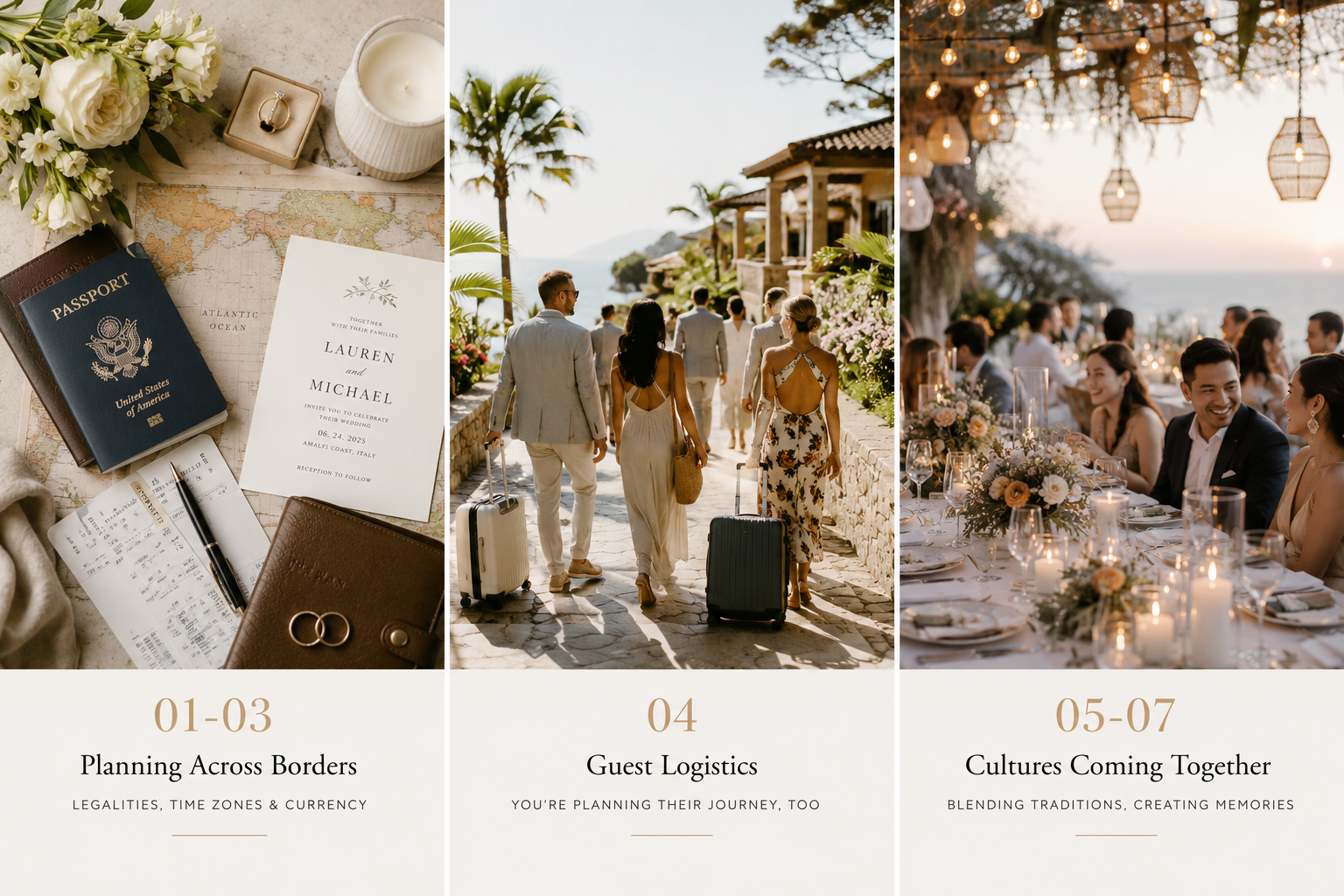
04. Guest Logistics: You're Not Just Planning a Wedding, You're Planning a Vacation
For your guests, attending your wedding is often much more than showing up for a ceremony.
They may need to book flights, request vacation time, arrange childcare, secure accommodations, and navigate an unfamiliar destination—all before they even arrive at your celebration.
The Timeline - Send Save-the-Date announcements 9 to 12 months in advance whenever possible. Your wedding website should go beyond venue information and include practical travel guidance such as:
- Accommodation options at different price points
- Airport transfer recommendations
- Local transportation information
- Suggested activities and sightseeing
- Dress code considerations for weather and terrain
The easier you make the travel experience, the more likely guests are to attend—and enjoy themselves once they arrive.
05. The Language Barrier: Keeping Everyone Included
Even if the couple is comfortable communicating in multiple languages, guests may not be.
When schedules, menus, welcome materials, and ceremony details are presented in only one language, part of your guest list can unintentionally feel disconnected from the experience.
The Touch - Consider incorporating bilingual design throughout your wedding stationery and guest communications. Translated ceremony programs, multilingual welcome materials, and a bilingual officiant can help every guest feel included and connected to the celebration.
After all, some of the most meaningful moments of a wedding deserve to be understood by everyone in the room.
06. The "Plan B" Premium: Travel Insurance Is Non-Negotiable
Flight cancellations. Lost luggage. Extreme weather. Transportation disruptions.
Destination weddings naturally involve more variables than local celebrations, which makes preparation essential.
The Action Plan - Invest in comprehensive wedding and travel insurance, and encourage guests to consider travel protection as well. When evaluating venues, prioritize locations that offer a strong indoor or alternative-weather option. A backup plan isn't pessimistic—it's simply part of smart destination wedding planning.
The best contingency plans are the ones you never need to use.
07. Cultural Nuances: Blending, Not Choosing
Perhaps the most delicate challenge of an international wedding isn't logistical—it's cultural.
Family expectations, wedding traditions, guest list etiquette, ceremony structures, and parental involvement can vary dramatically from one culture to another.
Trying to prioritize one tradition over another often creates unnecessary tension.
The Philosophy - The most memorable international weddings don't ask couples to choose between cultures. Instead, they thoughtfully weave meaningful traditions from both sides into a celebration that feels authentic, personal, and inclusive.
Whether it's combining ceremonies, incorporating multiple languages, serving culturally significant dishes, or honoring family customs, the goal isn't balance for the sake of balance—it's creating a wedding that genuinely reflects your shared story.

The closing thought
The beauty of an international wedding is not found in the destination itself, but in the journey it takes to bring people together.
Families cross continents. Friends board long-haul flights. Cultures meet, traditions blend, and memories are created far from home.
With thoughtful preparation and a globally minded approach, your destination wedding becomes more than a celebration. It becomes a once-in-a-lifetime experience that reflects not only where you're getting married, but who you are as a couple.
And when the weekend finally arrives, you'll be free to focus on what truly matters: celebrating the beginning of your next chapter together.